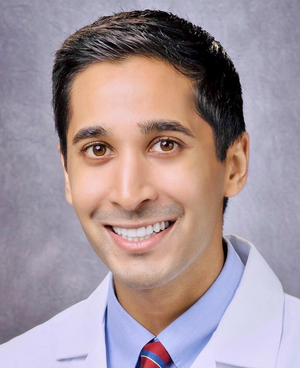
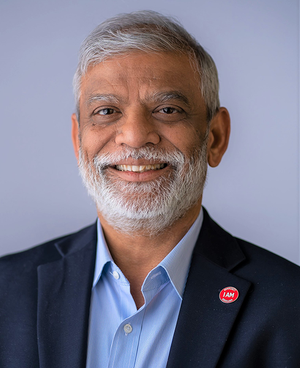
Most cancer care happens in the community; but getting patients diagnosed and into treatment isn’t always straightforward. Dr. Patel of Carolina Blood and Cancer Care Associates and Dr. Eric Singhi of MD Anderson explore the real-world barriers patients face, the pressures on community practices, and how stronger coordination between community and academic centers can improve access and outcomes.
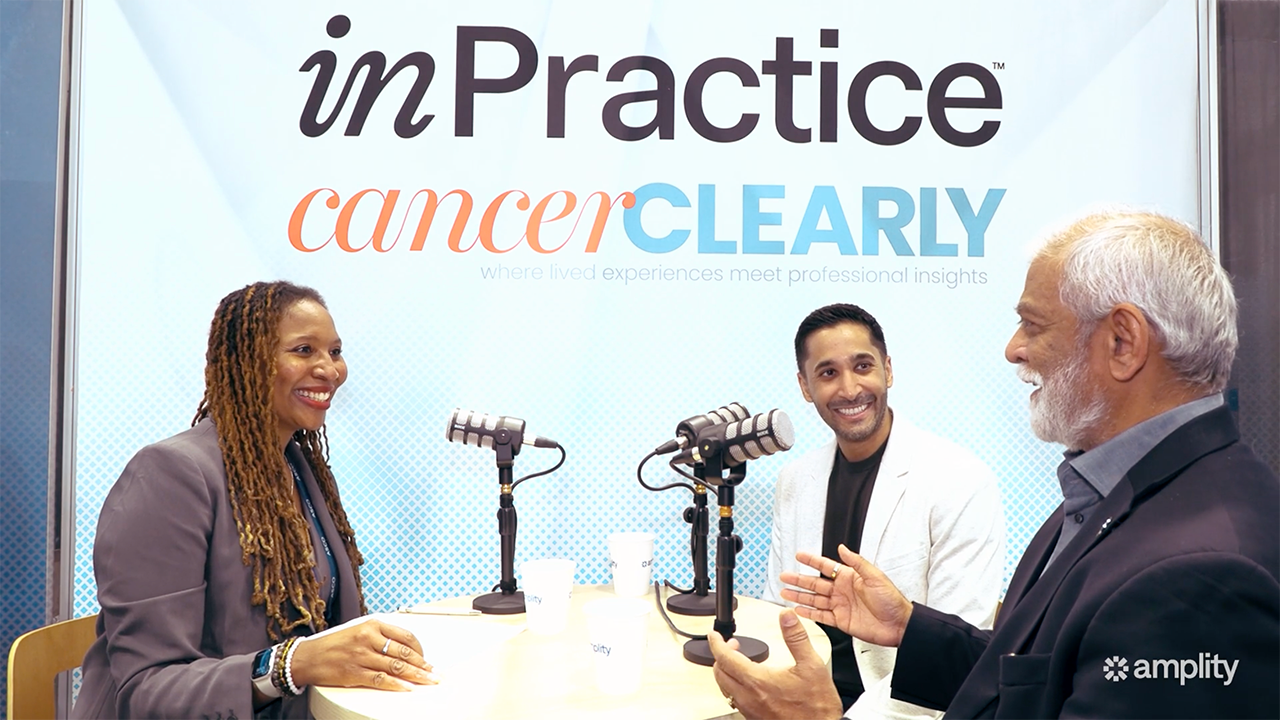
Brandi: I’m Brandi Bryant, and I’m here with Dr. Kashyap Patel from Carolina Blood and Cancer Care Associates and Dr. Eric Singhi from MD Anderson Cancer Center. Today we’re talking about community oncology, patient access, and what it takes to deliver high-quality cancer care close to home.
Before we dive in, you two have quite a history together. Can you tell me how you know each other?
Dr. Patel: Our families have known each other for more than 25 years. I still remember meeting Eric’s father while I was on call at Piedmont Medical Center back in 2002. We became close friends from that point forward, and over the years there have been so many connections between our families.
Dr. Singhi: It really is a small community. Everybody knows everybody, and it feels like family.
Dr. Patel: That’s one of the advantages of practicing in a community setting. We can pick up the phone and help people quickly because those relationships already exist.
Brandi: When people think of cutting-edge cancer care, they often think of major academic medical centers. But most patients are diagnosed and treated in the community. What do you wish more people understood about the role of community oncology today?
Dr. Patel: I view cancer care as an ecosystem. Community oncologists diagnose patients, coordinate their care, and provide the majority of treatment close to home. At the same time, we work closely with specialists at larger centers when patients need services such as bone marrow transplantation or CAR T-cell therapy.
For most patients, traveling to a tertiary care center on a regular basis simply isn’t practical. Community practices allow patients to receive high-quality cancer care in a familiar environment while still benefiting from expert consultation whenever it’s needed.
If a patient wants a second opinion, we encourage it. We’re partners in their care, not gatekeepers.
Brandi: Dr. Singhi, from your perspective, what are the biggest challenges patients face in getting diagnosed in a timely manner?
Dr. Singhi: This is especially important in my work with young-onset lung cancer. Many patients under the age of 50 experience delayed diagnoses because their symptoms are attributed to other conditions such as asthma, anxiety, or pneumonia rather than cancer.
One of the biggest unmet needs is education and awareness. Young people can and do develop cancer.
I also strongly believe in collaboration between community and academic centers. Patients need access to specialized expertise and clinical trials when appropriate, and we need to continue building systems that make those opportunities available wherever patients receive care.
Brandi: Once a patient is diagnosed, what barriers do they face when trying to access treatment?
Dr. Singhi: Financial toxicity is a major concern, but we don’t talk enough about time toxicity.
Patients spend enormous amounts of time attending appointments, traveling, parking, picking up medications, and coordinating care. We need to be mindful of how much of a patient’s life is consumed by cancer treatment and find ways to give that time back.
Dr. Patel: Time is incredibly valuable, especially for patients living with advanced cancer. If we can prevent unnecessary hospitalizations and help someone spend more time with family instead of in a hospital bed, that’s meaningful.
Another major challenge is unmet health-related social needs. Transportation, childcare, food security, employment concerns, and caregiver support all affect a patient’s ability to receive treatment.
That’s why we created the No One Left Alone Foundation. The goal is simple: remove barriers that prevent patients from accessing care.
Patients may need:
These issues affect outcomes just as much as clinical care.
Brandi: Independent oncology practices are under significant pressure right now. What are the biggest challenges you’re seeing?
Dr. Patel: Consolidation is one of the biggest issues.
Our practice is one of the last physician-owned oncology practices remaining in South Carolina. As hospitals acquire practices and referral networks, it becomes increasingly difficult for independent groups to survive.
We also face reimbursement disparities and broader structural challenges that make it difficult to remain independent while continuing to provide comprehensive care.
The result is that many communities are becoming healthcare deserts. Services once available locally are disappearing, forcing patients to travel farther for care.
Despite those challenges, we remain committed to serving our community.
Brandi: Most patients are diagnosed and treated in community settings, even if they later require referral to larger centers. What does successful coordination of care look like?
Dr. Singhi: It starts with prioritizing the patient and the patient’s goals.
My goal isn’t simply helping patients survive, it’s helping them live their lives. If receiving treatment closer to home allows someone to attend a child’s soccer game or spend more time with family, that’s important.
Partnership between academic and community providers is essential. Many of my patients come to MD Anderson for a second opinion and then continue treatment with their local oncologist. Strong communication makes that possible.
Dr. Patel: We’ve launched an initiative called the 5P Coalition, bringing together:
The goal is to create an integrated healthcare ecosystem focused on better patient outcomes.
Healthcare works best when everyone collaborates rather than working in isolated silos.
Brandi: If each of you could change one thing to improve access to cancer care in the community, what would it be?
Dr. Singhi: I would expand access to clinical trials so patients can participate closer to home.
I would also invest more in patient education. We’re seeing increasingly sophisticated treatment options, and patients deserve the tools needed to participate in informed, shared decision-making.
Dr. Patel: I believe everybody should have healthcare coverage. No patient should be left behind because of insurance barriers.
We also need to better identify and address social determinants of health. Healthcare delivery doesn’t stop at prescribing treatment. Patients need supportive systems that allow them to actually receive that treatment.
Health is a fundamental human right.
Dr. Singhi: A person’s ZIP code should not determine their health outcomes.
Dr. Patel: Exactly. Where someone is born should not determine how long they live.
Brandi: One final question. What’s the biggest ASCO buzzword you’re hearing this year?
Dr. Patel: Minimal residual disease.
Dr. Singhi: Liquid biopsy.
And I’d add GLP-1 therapies. They’ve generated a lot of discussion this year, and there are some exciting studies and presentations to watch.
Brandi: Thank you both so much for joining me today and for your commitment to patients and community oncology.
Dr. Patel: Thank you.
Dr. Singhi: Thank you. It’s always a pleasure.