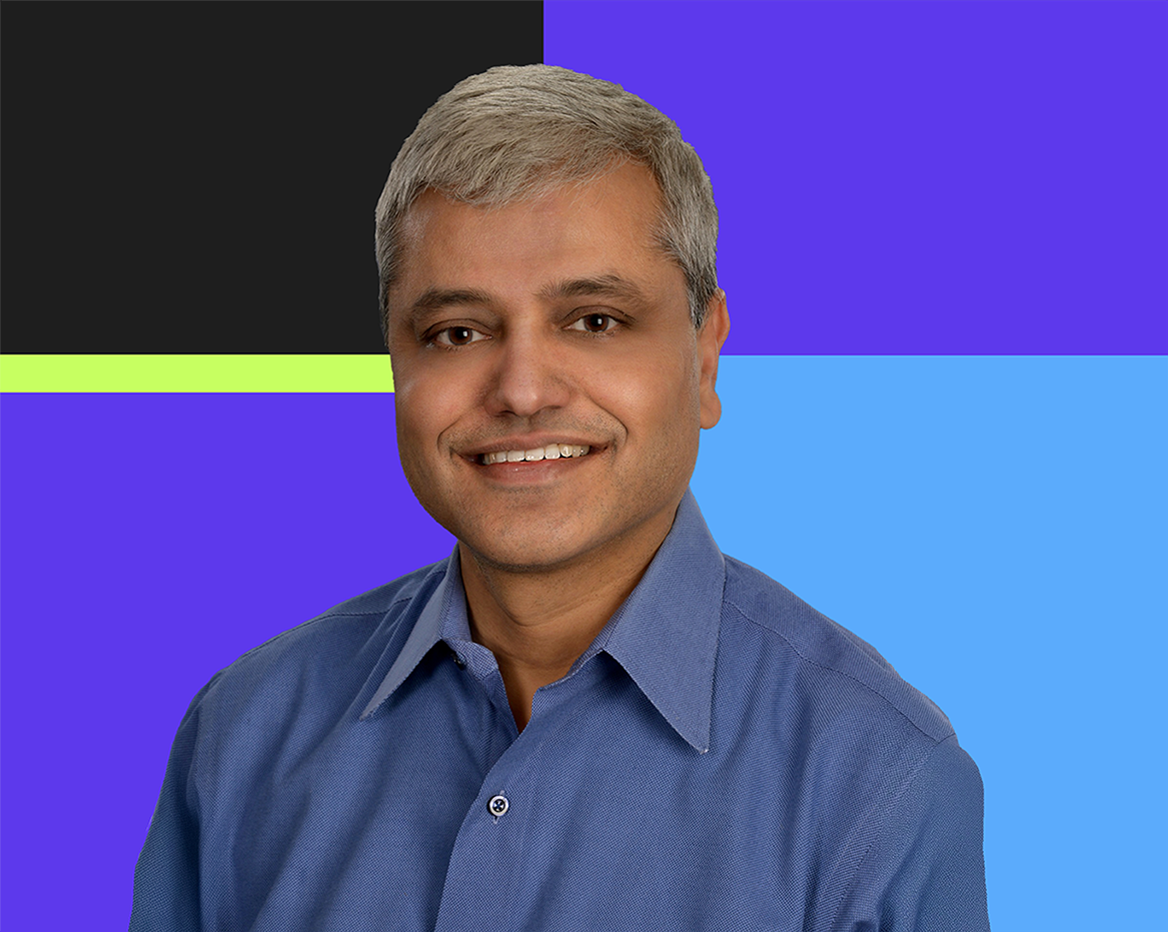

Sanjiv Agarwala, MD, Temple University, Philadelphia, PA, discusses the unique challenges of community oncology, highlighting what he calls “work-work balance.” He shares insights on how oncologists can efficiently manage patient care, administrative tasks, and practice demands while maintaining empathy and connection with patients.
Transcript
The largest challenges facing oncologists in the community, I think, are basically, I’m not going to call it work-life balance, I’m going to call it work-work balance. Because you’ve got the work where you’ve got to maintain speed of your clinic and the number of patients that you need to see just to get through your day.
And then being able to do that in an efficient way and having the right knowledge and resources to be able to provide the patients you see with the appropriate care.
So I think the challenge is balancing that. Medicine has changed a lot in the last decade or so. We all know that everything’s electronic and, you know, you’ve got to fulfill your requirements for billing. And I know this sounds mundane, but it’s really a critical part of what they do every day. And you have to make sure that your notes are up to par. And you can get lost in that shuffle and just spend all your time trying to figure that part out. And in this, the patient can get lost.
And I think the challenge for us in the community, practicing oncology is being able to do that because of course that has to be done, that’s just required. But at the same time, not only having the right knowledge base to take care of your patients, but spending the time with them to make sure that they feel that they’re the only patient you have. You know, that’s been always my philosophy that every patient you see should not be thinking that, “Oh, this guy’s in a hurry, he needs to like get out of here.”
But you should be able to make them feel that, look, I have all the time in the world for you and I’ll give you all the care you need and I’m your doctor. But then balancing that with everything else that’s going on. So it’s kind of like work-work balance is what I would call it.