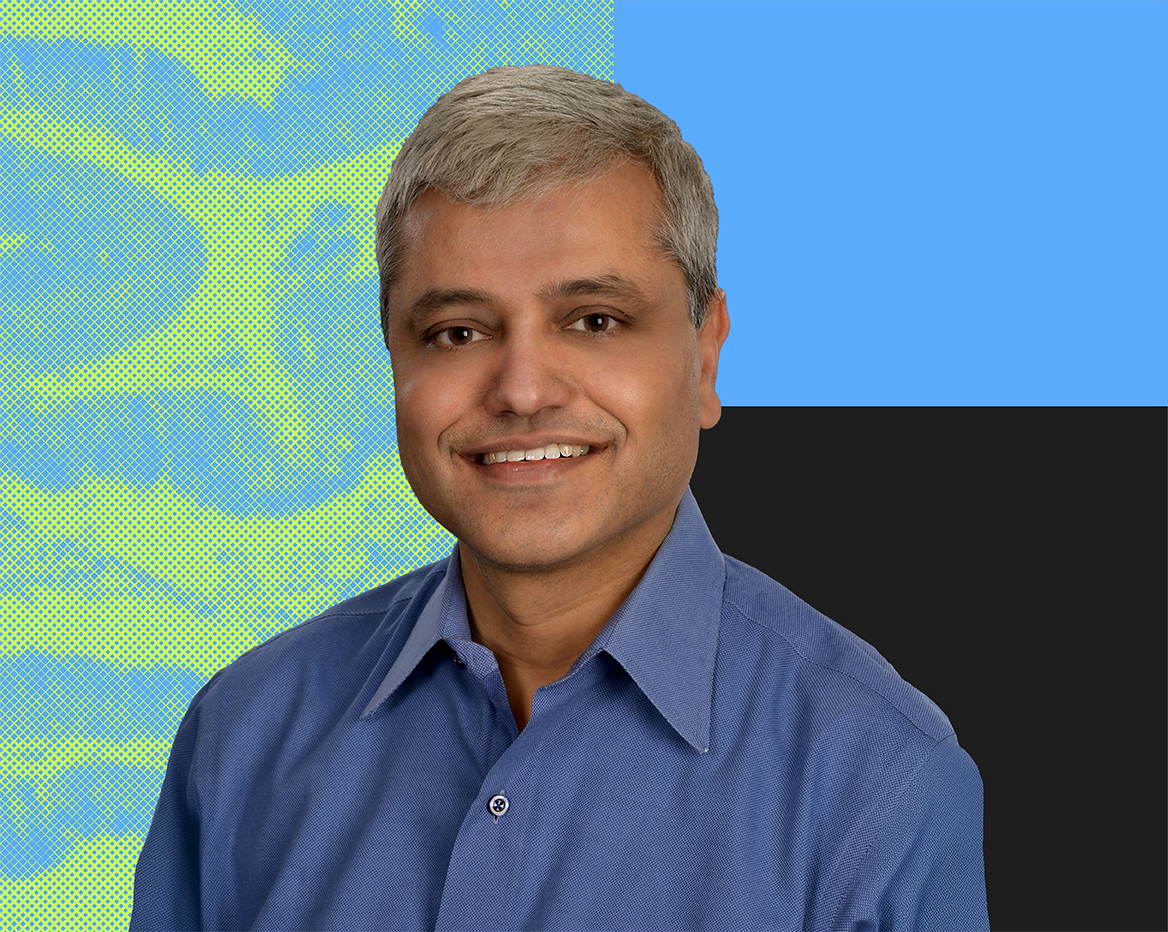
Sanjiv Agarwala, MD, Temple University, Philadelphia, PA, shares his perspective on the critical role of community oncology practices in delivering exceptional care with unparalleled convenience. From fostering personal connections to staying at the forefront of medical advancements, he explains why local oncology care is often the best choice for patients.
Transcript
Community cancer oncologists and practices play an incredibly important role (in fact, the most important role) in oncology care in this country and even beyond. I mean, let’s just be very clear about it: without a community oncology practice, there is no oncology care.
No one can potentially or possibly go every time they need care to a large study or center. It has to be in your backyard. And, you know, I always said, somewhat jokingly that, you know, when you choose a medical oncologist or a practice, it’s a marriage. This is not a short-term relationship.
Hopefully you’ll do well as a patient, and you’ll live a long time. And you need to have a practice that you work with as a patient and as an oncologist, provide a practice for patients that’s very local to them. You know, they’re going to be spending a lot of time themselves and their families traveling to receive care, multiple treatments, weeks, months, years, and having it close by, you know, just like in real estate: location, location, location. That’s very, very important.
Secondly, you know, the kind of practices that the community oncologists provide in America are really so much more friendlier than the larger, bigger institutions in big cities. And I’ve been in both, so I know this. And it’s nothing against the big cities. And frankly, of course, if you have to go there, you will go for maybe one visit or whatever. But when it’s a day-to-day thing, you want to have a place where you feel comfortable going. You know. You don’t want to feel threatened the moment you walk through the door and spend 15 minutes waiting for an elevator and everyone’s rushing around. Having a smaller place where everyone knows you and you’re greeted when you walk in and you know everybody by first name, you can’t emphasize that enough
Now, those are the practical aspects – but let’s talk about the academic side of things. The wonderful thing about community oncologists in this country and even beyond, I mean, this is international, they are very well informed.
I’ve often been surprised when I’m chief and I’m taking care of only melanoma patients and I work with community oncologists who take care of all solid tumors. The amount they know it just blows me away sometimes. They keep up with stuff. They are very, very smart people and they have a great perspective on things.
And given the way information can be disseminated easily nowadays with, you know, all the resources that we have, how organizations like that can provide information that’s timely, easy to digest and understand, keeps them very much up to date.
So, I have no doubt in my mind that the care a patient receives in a community oncology practice is as good, and I would say sometimes better than you might get in a larger place. And as I said before, this is coming from my own personal experience. I worked in big institutions in big cities where there’s traffic and parking problems, and I worked in a smaller place where there’s a lake next to it, and you can go for a walk in between your treatments if you have to, and your family has a nice place to hang out.
So for, I think, these three reasons, I would say, that community oncology practices, community oncologists, are an absolute critical part of cancer care in America.