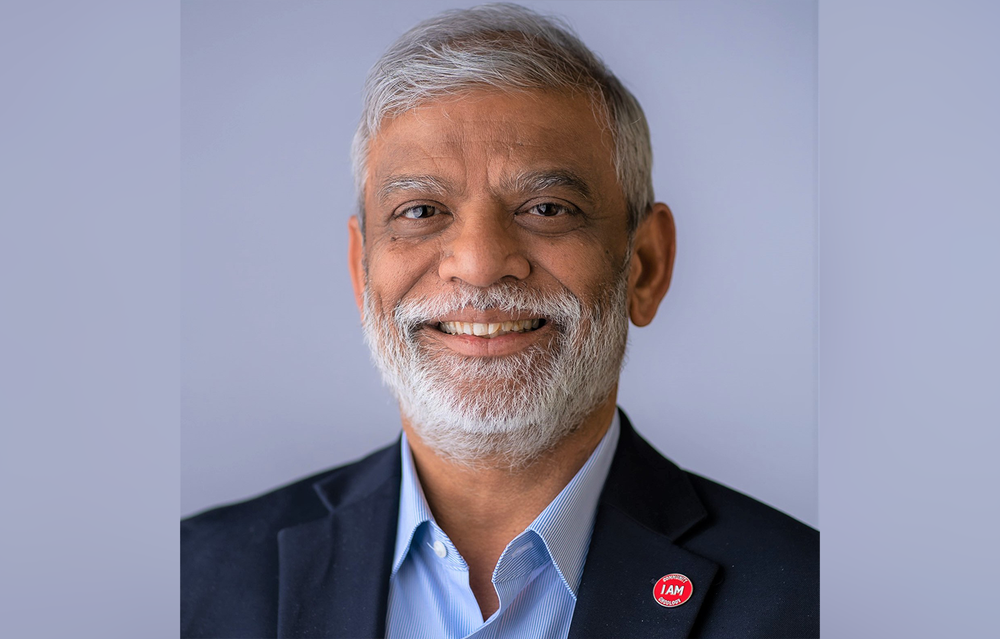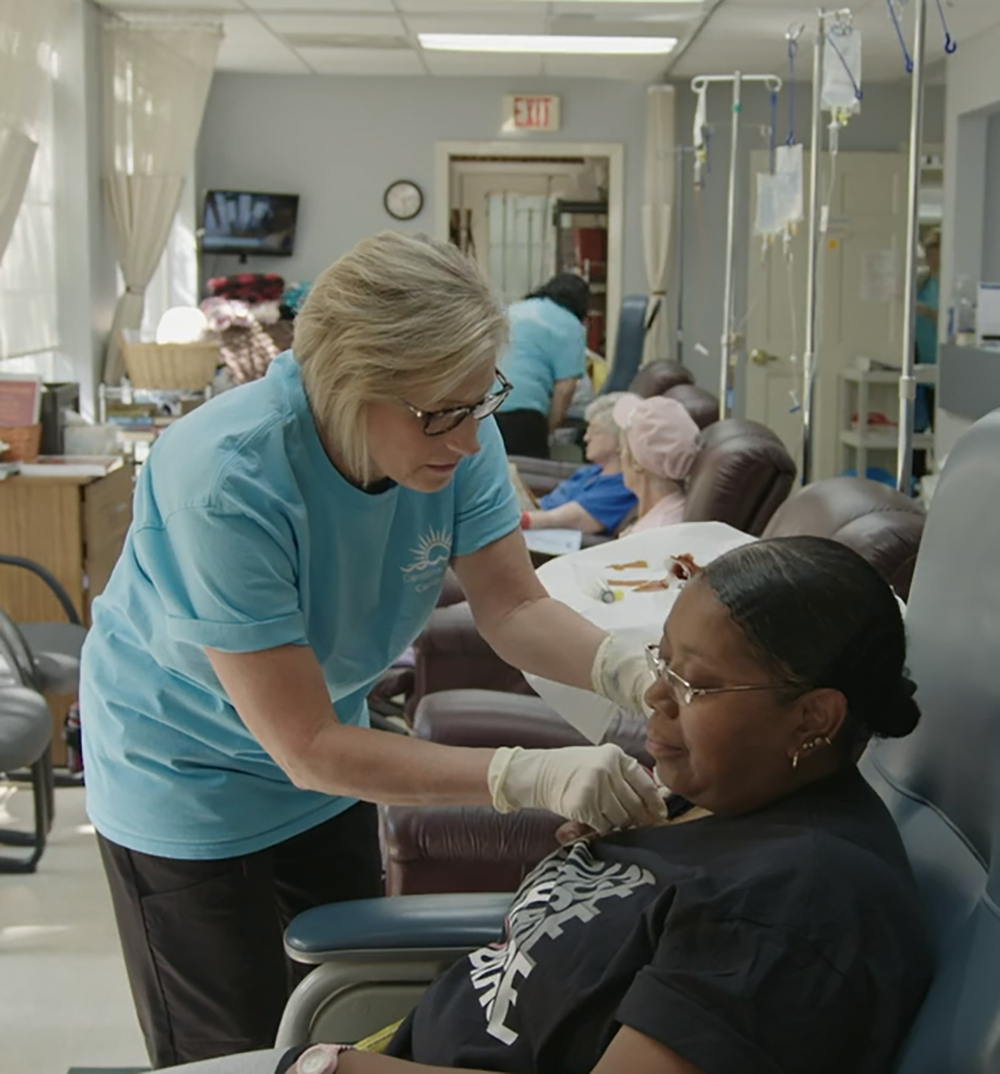
In 1988, long before “machine learning” was a household term, Dr Kashyap Patel wrote in an Indian newspaper that within 4 decades, artificial intelligence would handle the most complicated medical tasks at “superfast computing.”1 As we navigate 2026, that prophecy has manifested. Yet, for many community oncology practices—the frontline clinics treating the vast majority of cancer patients—a significant gap remains between the potential of AI and the reality of the daily clinic.2
While academic centers boast dedicated data science departments, community practices often have to operate by balancing razor-thin margins with high patient volumes. For a practice without a full IT staff or a research budget, the hurdles to AI adoption are more than just technical—they are structural. To bring AI to the community, we must first address the barriers that deter its use.
The Data Silo Problem (Interoperability)
Community practices often juggle multiple diagnostic platforms—microscopy, flow cytometry, and NGS—that don’t talk to each other.
-
- The Barrier: AI thrives on integrated data. Without expensive middleware to harmonize diverse data types from various labs and hospitals, AI is blind to the full patient picture
-
- The Result: The physician remains the only point of integration, manually stitching together reports instead of using AI to find hidden patterns
The Infrastructure Costs
AI requires robust, scalable computing power. For a small practice, the implementation costs go beyond the software license; they include:
-
- Upfront Investment: Upgrading hardware and ensuring HIPAA-compliant cloud storage
-
- Maintenance: Ongoing costs for system updates and the risk of workflow disruption during the learning curve
Liability
-
- Physician Acceptance: There is a natural (and healthy) skepticism toward AI-driven recommendations that lack transparency, which is often called “explainable AI”3
-
- The Liability Gap: Without clear legal frameworks for AI-assisted decisions, community doctors may feel they are assuming too much risk without enough institutional backup
The Hidden Bias
If AI models are trained primarily on data from large academic centers, they may not accurately reflect the diverse, real-world populations seen in community clinics. This can lead to algorithmic bias, in which treatment recommendations are less effective for underrepresented groups or those with complex social determinants of health.4
Why the Community Practice Needs AI More Than Anyone
Despite these barriers, the community setting is actually where AI has the opportunity to do good. In a resource-constrained environment, AI may be a force multiplier.
-
- Leveling the Playing Field: AI provides a virtual specialist for practices that can’t hire a full-time hematopathologist or molecular biologist
-
- Reducing Burnout: By automating documentation and screening (such as mammography or lung CT analysis), AI returns time to the doctor, allowing for the human-centric care that defines community medicine
-
- Precision for the Masses: AI can ensure that a patient in a rural clinic receives the same sophisticated, NGS-driven treatment selection as a patient at a top-tier university
The community setting is actually where AI has the opportunity to do good. In a resource-constrained environment, AI may be a force multiplier.
The Turning Point: Moving from “If” to “How”
The challenges are real, but they are not insurmountable. The “superfast” future Dr Patel predicted is here; the task now is to build the bridge that allows community practices to cross over without falling into the resource gap.
The shift from being an AI skeptic to an AI-enabled practice doesn’t happen overnight. It requires a strategic, phased approach that respects the unique constraints of the community setting.
Coming Up in Part 2:
How can a practice with no IT staff actually start using AI? We will provide a step-by-step 12-month implementation roadmap, from picking the right vendor to running your first AI-enhanced pilot program. Read Part 2.
References
-
- OncoDaily. Kashyap Patel: a 1988 vision of artificial intelligence becoming reality. Published December 22, 2025. https://oncodaily.com/voices/kashyap-patel-432542
- Shaw ML. Promises and pitfalls of AI in health care. AJMC. October 28, 2025. www.ajmc.com/view/promises-and-pitfalls-of-ai-in-health-care
- Hildt E. What is the role of explainability in medical artificial intelligence? A case-based approach. Bioengineering (Basel). 2025;12:375. doi: 10.3390/bioengineering12040375.
- National Cancer Institute. Artificial intelligence (AI) and cancer. May 30, 2024. Accessed March 09, 2026. https://www.cancer.gov/research/infrastructure/artificial-intelligence
In 1988, long before “machine learning” was a household term, Dr Kashyap Patel wrote in an Indian newspaper that within 4 decades, artificial intelligence would handle the most complicated medical tasks at “superfast computing.”1 As we navigate 2026, that prophecy has manifested. Yet, for many community oncology practices—the frontline clinics treating the vast majority of cancer patients—a significant gap remains between the potential of AI and the reality of the daily clinic.2
While academic centers boast dedicated data science departments, community practices often have to operate by balancing razor-thin margins with high patient volumes. For a practice without a full IT staff or a research budget, the hurdles to AI adoption are more than just technical—they are structural. To bring AI to the community, we must first address the barriers that deter its use.
The Data Silo Problem (Interoperability)
Community practices often juggle multiple diagnostic platforms—microscopy, flow cytometry, and NGS—that don’t talk to each other.
-
- The Barrier: AI thrives on integrated data. Without expensive middleware to harmonize diverse data types from various labs and hospitals, AI is blind to the full patient picture
-
- The Result: The physician remains the only point of integration, manually stitching together reports instead of using AI to find hidden patterns
The Infrastructure Costs
AI requires robust, scalable computing power. For a small practice, the implementation costs go beyond the software license; they include:
-
- Upfront Investment: Upgrading hardware and ensuring HIPAA-compliant cloud storage
-
- Maintenance: Ongoing costs for system updates and the risk of workflow disruption during the learning curve
Liability
-
- Physician Acceptance: There is a natural (and healthy) skepticism toward AI-driven recommendations that lack transparency, which is often called “explainable AI”3
-
- The Liability Gap: Without clear legal frameworks for AI-assisted decisions, community doctors may feel they are assuming too much risk without enough institutional backup
The Hidden Bias
If AI models are trained primarily on data from large academic centers, they may not accurately reflect the diverse, real-world populations seen in community clinics. This can lead to algorithmic bias, in which treatment recommendations are less effective for underrepresented groups or those with complex social determinants of health.4
Why the Community Practice Needs AI More Than Anyone
Despite these barriers, the community setting is actually where AI has the opportunity to do good. In a resource-constrained environment, AI may be a force multiplier.
-
- Leveling the Playing Field: AI provides a virtual specialist for practices that can’t hire a full-time hematopathologist or molecular biologist
-
- Reducing Burnout: By automating documentation and screening (such as mammography or lung CT analysis), AI returns time to the doctor, allowing for the human-centric care that defines community medicine
-
- Precision for the Masses: AI can ensure that a patient in a rural clinic receives the same sophisticated, NGS-driven treatment selection as a patient at a top-tier university
The community setting is actually where AI has the opportunity to do good. In a resource-constrained environment, AI may be a force multiplier.
The Turning Point: Moving from “If” to “How”
The challenges are real, but they are not insurmountable. The “superfast” future Dr Patel predicted is here; the task now is to build the bridge that allows community practices to cross over without falling into the resource gap.
The shift from being an AI skeptic to an AI-enabled practice doesn’t happen overnight. It requires a strategic, phased approach that respects the unique constraints of the community setting.
Coming Up in Part 2:
How can a practice with no IT staff actually start using AI? We will provide a step-by-step 12-month implementation roadmap, from picking the right vendor to running your first AI-enhanced pilot program. Read Part 2.
References
-
- OncoDaily. Kashyap Patel: a 1988 vision of artificial intelligence becoming reality. Published December 22, 2025. https://oncodaily.com/voices/kashyap-patel-432542
- Shaw ML. Promises and pitfalls of AI in health care. AJMC. October 28, 2025. www.ajmc.com/view/promises-and-pitfalls-of-ai-in-health-care
- Hildt E. What is the role of explainability in medical artificial intelligence? A case-based approach. Bioengineering (Basel). 2025;12:375. doi: 10.3390/bioengineering12040375.
- National Cancer Institute. Artificial intelligence (AI) and cancer. May 30, 2024. Accessed March 09, 2026. https://www.cancer.gov/research/infrastructure/artificial-intelligence