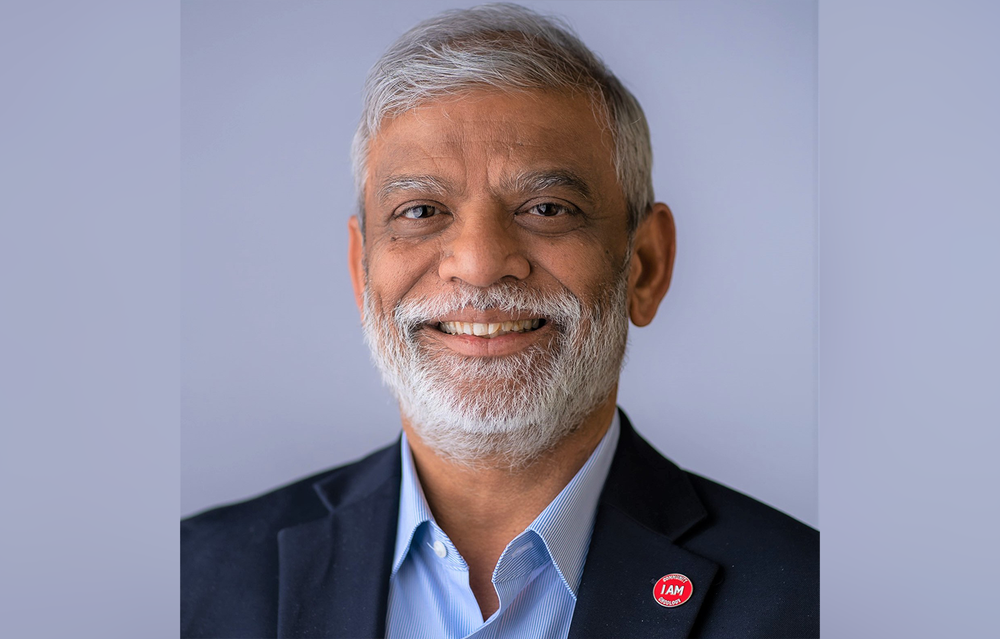
Community practices can begin using the benefits of artificial intelligence by following a detailed plan, as discussed in the article “The AI Equalizer: Overcoming Barriers in Local Oncology.” For a community clinic without a dedicated IT department, the transition from a traditional practice to an AI-enabled one can feel nearly impossible. However, in this concluding article of our 2-part series, we offer a roadmap that will make implementing AI feasible. As Dr Kashyap Patel envisioned decades ago, the goal of these “superfast” technologies is to handle complicated tasks so that the physician can focus on the patient.1
Building on the barriers identified in Part 1, this guide provides a functional, phased approach for a practice with limited resources to put AI into operation over the course of 1 year.
Phase 1: Months 1-4
Foundation and Low-Hanging Fruit
The priority in the first quarter is to reduce administrative burden and prove the value of AI with minimal risk.
-
- Audit Your Data Infrastructure: Before adopting AI, ensure your electronic health record (EHR) and diagnostic platforms (flow cytometry, next-generation sequencing (NGS), etc) have basic interoperability so that they can work together. AI cannot find patterns if data are trapped in disconnected silos2
-
- Pilot an AI Scribe: AI scribes are tools that capture and summarize clinical conversations. Start with generative AI tools that draft physician responses or transcribe patient notes in real time. This requires almost no technical infrastructure and provides an immediate return on time invested by the oncology staff2
-
- Establish Ethical Oversight: Form a small AI Review Committee to evaluate tools for potential algorithmic bias—ensuring that any model used has been validated on diverse, real-world populations similar to your own community
Phase 2: Months 5-8
Enhancing Diagnostic and Screening Accuracy
Once the staff is comfortable with administrative AI, move into clinical applications that directly impact patient outcomes.
-
- Deploy AI-Enhanced Screening: Implement AI imaging analysis for mammography or low-dose CT lung scans. These tools act as a second set of eyes, reducing false positives and identifying subtle patterns invisible to the human eye4
-
- Automated Risk Stratification: Use AI to flag high-risk patients—such as those with autoimmune disorders or a history of specific medication exposures—to optimize their follow-up schedules3,4
-
- Staff Training: Initiate healthcare provider training programs focused on explainable AI so clinicians understand why an algorithm is making a specific recommendation2,3
Phase 3: Months 9-12
Precision Medicine and Treatment Selection
The final phase involves integrating AI into the heart of clinical decision-making.
-
- NGS Data Interpretation: Use AI to synthesize information from multiple diagnostic platforms, correlating mutations with actionable therapeutic targets. This provides the same level of genomic sophistication found in academic centers2
-
- Real-time Response Monitoring: Implement AI tools to monitor markers of minimal residual disease and predict treatment resistance before these issues become clinically visible2,3
-
- Outcome Measurement: Establish a quality assurance program to measure the impact of AI on clinical efficiency and patient survival outcomes
Conclusion: The 1988 Vision Realized
Over a 12-month period, community practices can take meaningful steps toward transitioning from reactive management to more proactive, data-informed patient care. This roadmap highlights the gradual integration of AI-enabled tools designed to augment clinical decision-making consistent with Dr Patel’s 1988 vision of achieving “superfast” efficiency in ways that ultimately enhance patient outcomes.1
References
- OncoDaily. Kashyap Patel: a 1988 vision of artificial intelligence becoming reality. Published December 22, 2025. https://oncodaily.com/voices/kashyap-patel-432542
- Doherty K. AI offers multitude of benefits in community practice, but barriers to implementation remain. OncLive. September 29, 2025. Accessed March 16, 2026. www.onclive.com/view/ai-offers-multitude-of-benefits-in-community-practice-but-barriers-to-implementation-remain
- National Cancer Institute. Artificial intelligence (AI) and cancer. May 30, 2024. Accessed March 11, 2026. www.cancer.gov/research/infrastructure/artificial-intelligence
Community practices can begin using the benefits of artificial intelligence by following a detailed plan, as discussed in the article “The AI Equalizer: Overcoming Barriers in Local Oncology.” For a community clinic without a dedicated IT department, the transition from a traditional practice to an AI-enabled one can feel nearly impossible. However, in this concluding article of our 2-part series, we offer a roadmap that will make implementing AI feasible. As Dr Kashyap Patel envisioned decades ago, the goal of these “superfast” technologies is to handle complicated tasks so that the physician can focus on the patient.1
Building on the barriers identified in Part 1, this guide provides a functional, phased approach for a practice with limited resources to put AI into operation over the course of 1 year.
Phase 1: Months 1-4
Foundation and Low-Hanging Fruit
The priority in the first quarter is to reduce administrative burden and prove the value of AI with minimal risk.
-
- Audit Your Data Infrastructure: Before adopting AI, ensure your electronic health record (EHR) and diagnostic platforms (flow cytometry, next-generation sequencing (NGS), etc) have basic interoperability so that they can work together. AI cannot find patterns if data are trapped in disconnected silos2
-
- Pilot an AI Scribe: AI scribes are tools that capture and summarize clinical conversations. Start with generative AI tools that draft physician responses or transcribe patient notes in real time. This requires almost no technical infrastructure and provides an immediate return on time invested by the oncology staff2
-
- Establish Ethical Oversight: Form a small AI Review Committee to evaluate tools for potential algorithmic bias—ensuring that any model used has been validated on diverse, real-world populations similar to your own community
Phase 2: Months 5-8
Enhancing Diagnostic and Screening Accuracy
Once the staff is comfortable with administrative AI, move into clinical applications that directly impact patient outcomes.
-
- Deploy AI-Enhanced Screening: Implement AI imaging analysis for mammography or low-dose CT lung scans. These tools act as a second set of eyes, reducing false positives and identifying subtle patterns invisible to the human eye4
-
- Automated Risk Stratification: Use AI to flag high-risk patients—such as those with autoimmune disorders or a history of specific medication exposures—to optimize their follow-up schedules3,4
-
- Staff Training: Initiate healthcare provider training programs focused on explainable AI so clinicians understand why an algorithm is making a specific recommendation2,3
Phase 3: Months 9-12
Precision Medicine and Treatment Selection
The final phase involves integrating AI into the heart of clinical decision-making.
-
- NGS Data Interpretation: Use AI to synthesize information from multiple diagnostic platforms, correlating mutations with actionable therapeutic targets. This provides the same level of genomic sophistication found in academic centers2
-
- Real-time Response Monitoring: Implement AI tools to monitor markers of minimal residual disease and predict treatment resistance before these issues become clinically visible2,3
-
- Outcome Measurement: Establish a quality assurance program to measure the impact of AI on clinical efficiency and patient survival outcomes
Conclusion: The 1988 Vision Realized
Over a 12-month period, community practices can take meaningful steps toward transitioning from reactive management to more proactive, data-informed patient care. This roadmap highlights the gradual integration of AI-enabled tools designed to augment clinical decision-making consistent with Dr Patel’s 1988 vision of achieving “superfast” efficiency in ways that ultimately enhance patient outcomes.1
References
- OncoDaily. Kashyap Patel: a 1988 vision of artificial intelligence becoming reality. Published December 22, 2025. https://oncodaily.com/voices/kashyap-patel-432542
- Doherty K. AI offers multitude of benefits in community practice, but barriers to implementation remain. OncLive. September 29, 2025. Accessed March 16, 2026. www.onclive.com/view/ai-offers-multitude-of-benefits-in-community-practice-but-barriers-to-implementation-remain
- National Cancer Institute. Artificial intelligence (AI) and cancer. May 30, 2024. Accessed March 11, 2026. www.cancer.gov/research/infrastructure/artificial-intelligence