We stand at an inflection point in oncology. For decades, tissue biopsy has been the cornerstone of cancer diagnosis—an indispensable but invasive, costly, and often incomplete window into tumor biology. Today, a simple blood draw is poised to rewrite that paradigm. Liquid biopsy, the detection and analysis of tumor-derived material circulating in peripheral blood, is rapidly evolving from a research curiosity into a transformative clinical instrument. As this media platform launches, there is not a more fitting moment to examine where this technology is taking us—and what it demands of us as a field.
From Unknown Primaries to Clonal Architecture
Among the most compelling near-term applications is the use of circulating tumor DNA (ctDNA) and cell-free DNA (cfDNA) in cancers of unknown primary origin, a clinical scenario that has long frustrated oncologists and patients alike. Liquid biopsy offers a noninvasive path to molecular fingerprinting that tissue sampling cannot always provide. Equally promising is its role in risk stratification and tumor staging, where ctDNA burden correlates meaningfully with disease burden and prognostic trajectory. Beyond staging, the granular genomic portrait afforded by serial liquid biopsy enables real-time tracking of clonal evolution—illuminating how tumors adapt, diversify, and resist treatment over time.
Guiding Therapy, Monitoring Response, and Detecting Resistance
Tumor genotyping via liquid biopsy is already reshaping how we select targeted therapies, particularly in lung, breast, and colorectal cancers. As actionable mutations emerge and disappear dynamically with treatment, liquid biopsy provides the longitudinal precision that a single time point tissue sample never could. Monitoring response through minimal residual disease assays—detecting vanishingly small quantities of ctDNA after surgery or systemic therapy—holds the promise of identifying molecular relapse months before clinical or radiographic evidence appears. Perhaps most consequential for immunotherapy-treated patients is the ability to differentiate true disease progression from pseudo progression, a distinction with profound implications for clinical decision-making. Liquid biopsy may offer the earliest and most objective signal in this notoriously ambiguous scenario.
A New Currency for Comparative Effectiveness and Health Equity
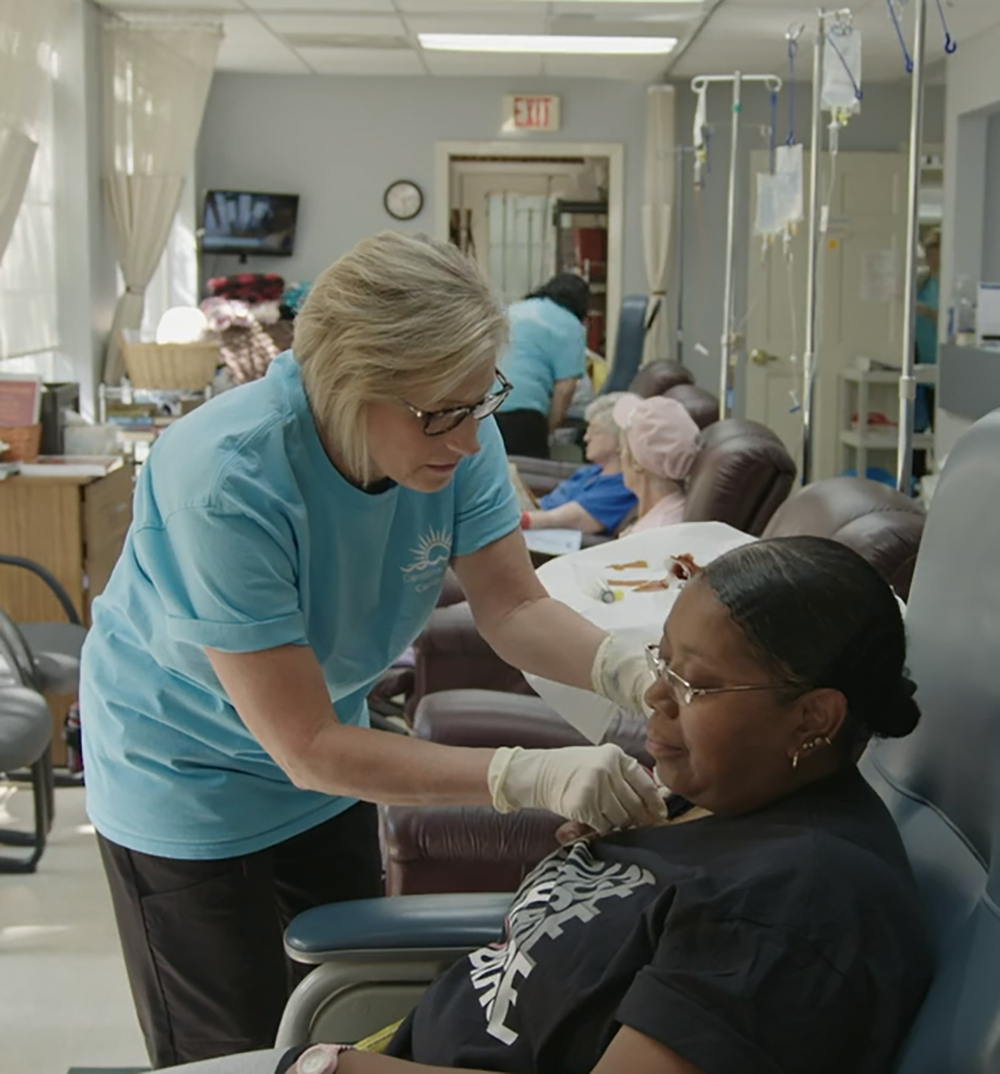
The comparative effectiveness of liquid biopsy versus conventional imaging—CT, PET, and MRI—remains an open and critical research question. Lead time, clinical utility, and health economic outcomes must be rigorously studied in prospective, real-world evidence registries. This is not merely an academic exercise. For rural and underserved patients, liquid biopsy could democratize access to precision oncology by replacing procedures that require specialized centers, anesthesia, or repeated hospital visits. A blood draw can be performed at a community clinic. A tissue biopsy often cannot. If liquid biopsy delivers on its promise in diverse populations—including the Black, Hispanic, and rural patients disproportionately enrolled in community oncology practices—it could become one of the most powerful tools we have to close the health equity gap in cancer outcomes.
The path forward is neither simple nor certain. Analytical validity, clinical validity, and clinical utility—the trifecta that governs reimbursement and adoption—must be established through rigorous, inclusive research. Payers, regulators, and clinicians must align around evidence frameworks that reflect real-world practice, not merely academic medical centers. As community oncologists, we have both the obligation and the opportunity to generate that evidence where it matters most—at the bedside of every patient, in every zip code.
We stand at an inflection point in oncology. For decades, tissue biopsy has been the cornerstone of cancer diagnosis—an indispensable but invasive, costly, and often incomplete window into tumor biology. Today, a simple blood draw is poised to rewrite that paradigm. Liquid biopsy, the detection and analysis of tumor-derived material circulating in peripheral blood, is rapidly evolving from a research curiosity into a transformative clinical instrument. As this media platform launches, there is not a more fitting moment to examine where this technology is taking us—and what it demands of us as a field.
From Unknown Primaries to Clonal Architecture
Among the most compelling near-term applications is the use of circulating tumor DNA (ctDNA) and cell-free DNA (cfDNA) in cancers of unknown primary origin, a clinical scenario that has long frustrated oncologists and patients alike. Liquid biopsy offers a noninvasive path to molecular fingerprinting that tissue sampling cannot always provide. Equally promising is its role in risk stratification and tumor staging, where ctDNA burden correlates meaningfully with disease burden and prognostic trajectory. Beyond staging, the granular genomic portrait afforded by serial liquid biopsy enables real-time tracking of clonal evolution—illuminating how tumors adapt, diversify, and resist treatment over time.
Guiding Therapy, Monitoring Response, and Detecting Resistance
Tumor genotyping via liquid biopsy is already reshaping how we select targeted therapies, particularly in lung, breast, and colorectal cancers. As actionable mutations emerge and disappear dynamically with treatment, liquid biopsy provides the longitudinal precision that a single time point tissue sample never could. Monitoring response through minimal residual disease assays—detecting vanishingly small quantities of ctDNA after surgery or systemic therapy—holds the promise of identifying molecular relapse months before clinical or radiographic evidence appears. Perhaps most consequential for immunotherapy-treated patients is the ability to differentiate true disease progression from pseudo progression, a distinction with profound implications for clinical decision-making. Liquid biopsy may offer the earliest and most objective signal in this notoriously ambiguous scenario.
A New Currency for Comparative Effectiveness and Health Equity
The comparative effectiveness of liquid biopsy versus conventional imaging—CT, PET, and MRI—remains an open and critical research question. Lead time, clinical utility, and health economic outcomes must be rigorously studied in prospective, real-world evidence registries. This is not merely an academic exercise. For rural and underserved patients, liquid biopsy could democratize access to precision oncology by replacing procedures that require specialized centers, anesthesia, or repeated hospital visits. A blood draw can be performed at a community clinic. A tissue biopsy often cannot. If liquid biopsy delivers on its promise in diverse populations—including the Black, Hispanic, and rural patients disproportionately enrolled in community oncology practices—it could become one of the most powerful tools we have to close the health equity gap in cancer outcomes.
The path forward is neither simple nor certain. Analytical validity, clinical validity, and clinical utility—the trifecta that governs reimbursement and adoption—must be established through rigorous, inclusive research. Payers, regulators, and clinicians must align around evidence frameworks that reflect real-world practice, not merely academic medical centers. As community oncologists, we have both the obligation and the opportunity to generate that evidence where it matters most—at the bedside of every patient, in every zip code.