Introduction
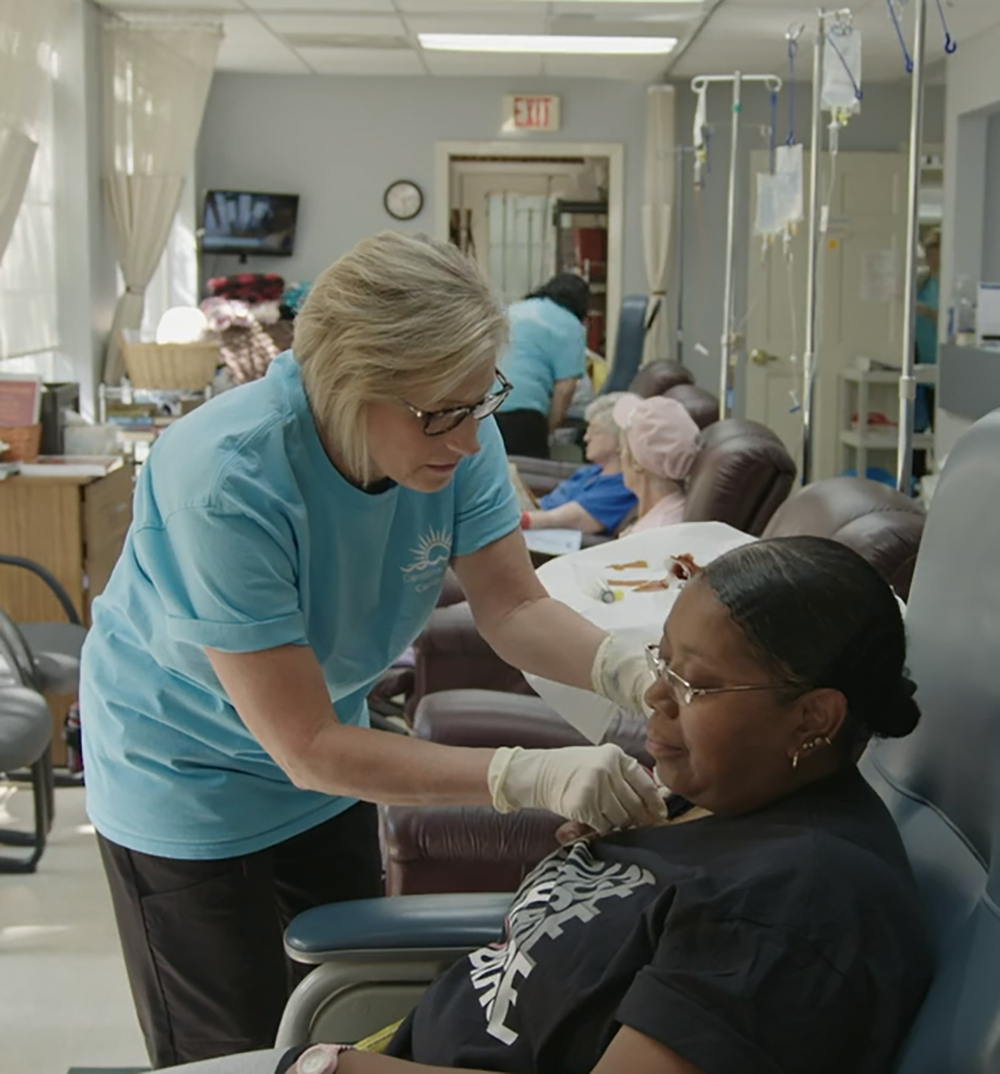
Community oncologists care for patients at some of the most difficult moments of their lives. In addition to delivering high-quality treatment, they often help patients navigate fear, uncertainty, emotional distress, and the practical challenges that come with a cancer diagnosis. While clinical care is central, many patients also benefit from emotional support and connection with others who understand the cancer journey.
That is where a service like CanCare can be especially valuable. CanCare provides peer support by connecting patients and caregivers with trained cancer survivors who can offer encouragement, perspective, and hope. For community oncologists, this type of resource can complement clinical care, improve the patient experience, and support families throughout treatment.
What Is CanCare?
CanCare is a cancer peer support organization that offers emotional support through trained survivors and caregiver support. Services like CanCare are designed to help patients feel less alone by connecting them with someone who has experienced cancer firsthand.
For community oncology practices, peer support can be an important extension of care, especially for patients who may not have access to extensive psychosocial resources or large hospital-based support programs.
Why Peer Support Matters in Community Oncology
Community oncology practices often serve as the primary point of cancer care for patients in local communities. These practices may have limited time and staffing, yet patients still need comprehensive support.
Cancer can affect:
- Emotional well-being
- Treatment adherence
- Family relationships
- Work and daily life
- Quality of life
Peer support services can help address these challenges by giving patients and caregivers a trusted person to talk to outside of the clinical setting.
1. Enhance the Patient Experience
Patients often remember how supported they felt during treatment just as much as the treatment itself. A referral to a peer support service like CanCare can help patients feel seen, heard, and understood.
Community oncologists can use peer support to help patients at key points, including:
- At diagnosis
- Before treatment begins
- During active treatment
- When facing recurrence
- During survivorship transitions
Offering this resource can strengthen the overall patient experience and reinforce a culture of compassionate care.
2. Support Caregivers and Families
Cancer affects more than the patient. Caregivers and family members often need support as they try to manage fear, exhaustion, and uncertainty.
Community oncologists can use a service like CanCare to provide support for:
- Spouses and partners
- Adult children
- Parents
- Other family caregivers
When caregivers feel supported, they are often better equipped to help the patient through treatment and recovery.
3. Complement Clinical Care Without Adding Burden
Community oncologists and their teams are often managing full schedules and complex care needs. While emotional support is important, it is not always possible for the care team to address every psychosocial concern in depth.
Peer support services can help fill that gap by offering an additional layer of support without requiring extra clinical time. This allows oncologists to focus on medical care while still ensuring patients have access to meaningful emotional support.
4. Create a Simple Referral Workflow
One of the most effective ways to use a service like CanCare is to build it into the practice workflow. Community oncologists can work with staff to create a straightforward referral process that includes:
- Mentioning peer support during consultations
- Adding the resource to new patient packets
- Including it in treatment education materials
- Sharing it in survivorship or follow-up visits
- Training nurses, navigators, and office staff to offer the resource
A simple and consistent process makes it more likely that patients will actually use the service.
5. Identify Patients Who May Benefit Most
Some patients may be especially likely to benefit from peer support, including those who are:
- Newly diagnosed
- Starting a difficult treatment regimen
- Feeling isolated or overwhelmed
- Facing advanced disease
- Experiencing recurrence
- Struggling with caregiver stress
Community oncologists can use clinical judgment to identify patients who may need this additional layer of support and connect them early.
6. Strengthen the Practice’s Support Network
Many community oncology practices already work with social workers, navigators, financial counselors, and palliative care teams. A service like CanCare can fit naturally into this broader support network. This creates a more complete care model that includes:
- Medical treatment
- Symptom management
- Emotional support
- Family support
- Survivorship planning
For patients, this integrated approach can make care feel more coordinated and compassionate.
7. Improve Satisfaction and Trust
Patients who feel emotionally supported are often more satisfied with their care. Referring patients to a peer support service can help build trust, especially when patients are navigating difficult decisions or coping with a life-changing diagnosis. For community oncologists, this can lead to:
- Stronger patient relationships
- Better engagement
- More positive patient feedback
- A more supportive practice reputation
8. Educate the Care Team
Community oncologists can help ensure peer support services are used effectively by making sure the care team understands:
- What CanCare offers
- Whom it is intended for
- How to refer patients
- How to explain the value of peer support
A brief team huddle, staff handout, or workflow guide can help make the service part of routine practice.
Conclusion
For community oncologists, a service like CanCare can be a practical and compassionate way to extend support beyond the exam room. By connecting patients and caregivers with trained peers who understand the cancer experience, community oncology practices can improve emotional support, enhance patient satisfaction, and strengthen the overall care journey.
In community oncology, every resource that helps patients feel less alone matters. Peer support services like CanCare can be a valuable part of that mission.
Introduction
Community oncologists care for patients at some of the most difficult moments of their lives. In addition to delivering high-quality treatment, they often help patients navigate fear, uncertainty, emotional distress, and the practical challenges that come with a cancer diagnosis. While clinical care is central, many patients also benefit from emotional support and connection with others who understand the cancer journey.
That is where a service like CanCare can be especially valuable. CanCare provides peer support by connecting patients and caregivers with trained cancer survivors who can offer encouragement, perspective, and hope. For community oncologists, this type of resource can complement clinical care, improve the patient experience, and support families throughout treatment.
What Is CanCare?
CanCare is a cancer peer support organization that offers emotional support through trained survivors and caregiver support. Services like CanCare are designed to help patients feel less alone by connecting them with someone who has experienced cancer firsthand.
For community oncology practices, peer support can be an important extension of care, especially for patients who may not have access to extensive psychosocial resources or large hospital-based support programs.
Why Peer Support Matters in Community Oncology
Community oncology practices often serve as the primary point of cancer care for patients in local communities. These practices may have limited time and staffing, yet patients still need comprehensive support.
Cancer can affect:
- Emotional well-being
- Treatment adherence
- Family relationships
- Work and daily life
- Quality of life
Peer support services can help address these challenges by giving patients and caregivers a trusted person to talk to outside of the clinical setting.
1. Enhance the Patient Experience
Patients often remember how supported they felt during treatment just as much as the treatment itself. A referral to a peer support service like CanCare can help patients feel seen, heard, and understood.
Community oncologists can use peer support to help patients at key points, including:
- At diagnosis
- Before treatment begins
- During active treatment
- When facing recurrence
- During survivorship transitions
Offering this resource can strengthen the overall patient experience and reinforce a culture of compassionate care.
2. Support Caregivers and Families
Cancer affects more than the patient. Caregivers and family members often need support as they try to manage fear, exhaustion, and uncertainty.
Community oncologists can use a service like CanCare to provide support for:
- Spouses and partners
- Adult children
- Parents
- Other family caregivers
When caregivers feel supported, they are often better equipped to help the patient through treatment and recovery.
3. Complement Clinical Care Without Adding Burden
Community oncologists and their teams are often managing full schedules and complex care needs. While emotional support is important, it is not always possible for the care team to address every psychosocial concern in depth.
Peer support services can help fill that gap by offering an additional layer of support without requiring extra clinical time. This allows oncologists to focus on medical care while still ensuring patients have access to meaningful emotional support.
4. Create a Simple Referral Workflow
One of the most effective ways to use a service like CanCare is to build it into the practice workflow. Community oncologists can work with staff to create a straightforward referral process that includes:
- Mentioning peer support during consultations
- Adding the resource to new patient packets
- Including it in treatment education materials
- Sharing it in survivorship or follow-up visits
- Training nurses, navigators, and office staff to offer the resource
A simple and consistent process makes it more likely that patients will actually use the service.
5. Identify Patients Who May Benefit Most
Some patients may be especially likely to benefit from peer support, including those who are:
- Newly diagnosed
- Starting a difficult treatment regimen
- Feeling isolated or overwhelmed
- Facing advanced disease
- Experiencing recurrence
- Struggling with caregiver stress
Community oncologists can use clinical judgment to identify patients who may need this additional layer of support and connect them early.
6. Strengthen the Practice’s Support Network
Many community oncology practices already work with social workers, navigators, financial counselors, and palliative care teams. A service like CanCare can fit naturally into this broader support network. This creates a more complete care model that includes:
- Medical treatment
- Symptom management
- Emotional support
- Family support
- Survivorship planning
For patients, this integrated approach can make care feel more coordinated and compassionate.
7. Improve Satisfaction and Trust
Patients who feel emotionally supported are often more satisfied with their care. Referring patients to a peer support service can help build trust, especially when patients are navigating difficult decisions or coping with a life-changing diagnosis. For community oncologists, this can lead to:
- Stronger patient relationships
- Better engagement
- More positive patient feedback
- A more supportive practice reputation
8. Educate the Care Team
Community oncologists can help ensure peer support services are used effectively by making sure the care team understands:
- What CanCare offers
- Whom it is intended for
- How to refer patients
- How to explain the value of peer support
A brief team huddle, staff handout, or workflow guide can help make the service part of routine practice.
Conclusion
For community oncologists, a service like CanCare can be a practical and compassionate way to extend support beyond the exam room. By connecting patients and caregivers with trained peers who understand the cancer experience, community oncology practices can improve emotional support, enhance patient satisfaction, and strengthen the overall care journey.
In community oncology, every resource that helps patients feel less alone matters. Peer support services like CanCare can be a valuable part of that mission.